

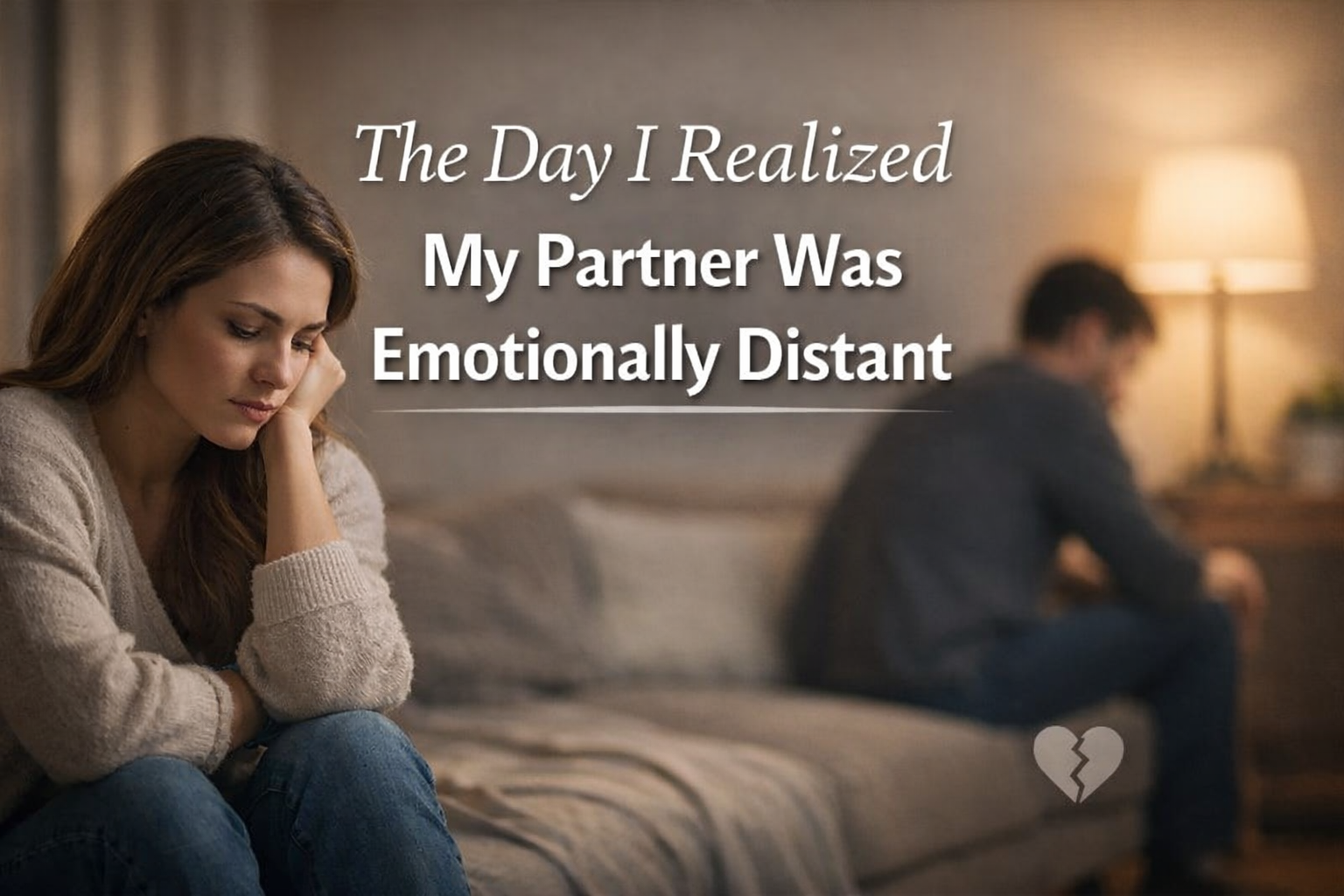
I never thought I would reach a point where I questioned the emotional closeness in my relationship. For years, I believed that love alone was enough to keep us connected. We laughed together, shared trips, and even navigated small conflicts with what I thought was understanding. But one ordinary Thursday evening, everything changed. That night, I realized my partner was emotionally distant—and it shook me to my core.
It started with a seemingly small conversation. I had just returned home from a long day at work, feeling drained and in need of comfort. I wanted to share something personal—a frustration at the office, a worry about a friend—but as I began speaking, I noticed a subtle shift in their attention. Their eyes wandered, their responses were brief, and the warmth I had once taken for granted felt absent.
At first, I brushed it off. “Maybe they’re tired,” I told myself. “Maybe it’s just a rough day.” But as the evening went on, I realized the pattern had been there for months. When I tried to talk about deeper feelings—my fears, my dreams, my frustrations—my partner would change the topic, make light of my concerns, or offer quick solutions instead of empathy. They weren’t mean, exactly. They weren’t cruel. But they weren’t present.
This emotional distance wasn’t just about one conversation or one night. It was about a slow, quiet drift. I remembered past arguments where I had felt unheard, past moments when I had hoped for a hug or a reassuring word but received silence instead. The realization hit me hard: I had been pouring my heart into a space that wasn’t truly receptive.
The turning point came during a weekend we had planned together. I had envisioned cozy mornings, long walks, and intimate talks. But even during these shared experiences, I felt alone. While we sat side by side on the couch, scrolling through our phones, I noticed a growing emptiness. I wanted to reach out, to connect, to feel seen—but the distance was palpable. I could no longer ignore the truth.
Recognizing emotional distance in a partner is never easy. It forces you to confront uncomfortable truths about yourself, your expectations, and the dynamics of your relationship. I questioned whether I had contributed to this distance, whether I had been too demanding, too sensitive, or simply mistaken in my perception. I wanted to believe that love could fill every gap, but I began to understand that love alone can’t replace emotional presence.
After days of reflection, I finally gathered the courage to address it. I shared my feelings, carefully choosing words that conveyed vulnerability rather than blame. “I feel like we’ve been growing apart,” I said. “Sometimes I need more emotional support, and I feel like it’s missing.”
Their reaction was telling. They listened politely but seemed unsure how to respond. There was no anger, no defensiveness, but also no acknowledgment of the depth of my feelings. It became clear that emotional distance wasn’t a temporary phase or a misunderstanding—it was part of who they were.
Coming to terms with this reality was painful. I mourned the closeness I had hoped for, the intimate conversations, the reassurance, the feeling of being truly known. I felt a mix of sadness, disappointment, and loneliness—even while sitting beside someone I loved deeply.
Yet, this painful awareness also brought clarity. I realized that emotional distance is not something you can force. You cannot make someone open their heart if they are unwilling or unable to do so. What you can do is recognize your own needs, set boundaries, and make conscious decisions about what kind of love and connection you deserve.
In the weeks that followed, I focused on understanding myself better. I journaled about my emotions, sought support from friends, and explored ways to cultivate emotional intimacy outside of my partnership. I learned to distinguish between love that nourishes me and love that leaves me feeling empty.
This journey taught me that emotional closeness is not optional in a healthy relationship—it’s essential. It’s the foundation for trust, vulnerability, and mutual growth. Without it, even the happiest moments can feel hollow. Recognizing emotional distance isn’t about assigning blame; it’s about honoring your own heart and understanding the limits of your relationship.
Today, I still love my partner, but I also love myself enough to acknowledge what I need. Emotional distance is a silent reality that can slowly erode connection if left unchecked. The day I realized it in my relationship was painful, but it was also a moment of awakening. It showed me the importance of emotional presence, the courage to speak my truth, and the strength to seek fulfillment—even when it means facing uncomfortable truths.
If you’ve ever felt unseen or unheard in a relationship, know that your feelings are valid. Emotional distance is not a reflection of your worth—it’s a reflection of the dynamics between two people. By recognizing it, you give yourself the chance to nurture real connection, whether within your current relationship or in the ones yet to come.
Love is beautiful, but it is not enough if hearts remain closed. The day I realized my partner was emotionally distant was the day I began to truly understand the kind of love I deserve: a love that listens, a love that sees, and a love that doesn’t leave you feeling alone—even when you are together.


