

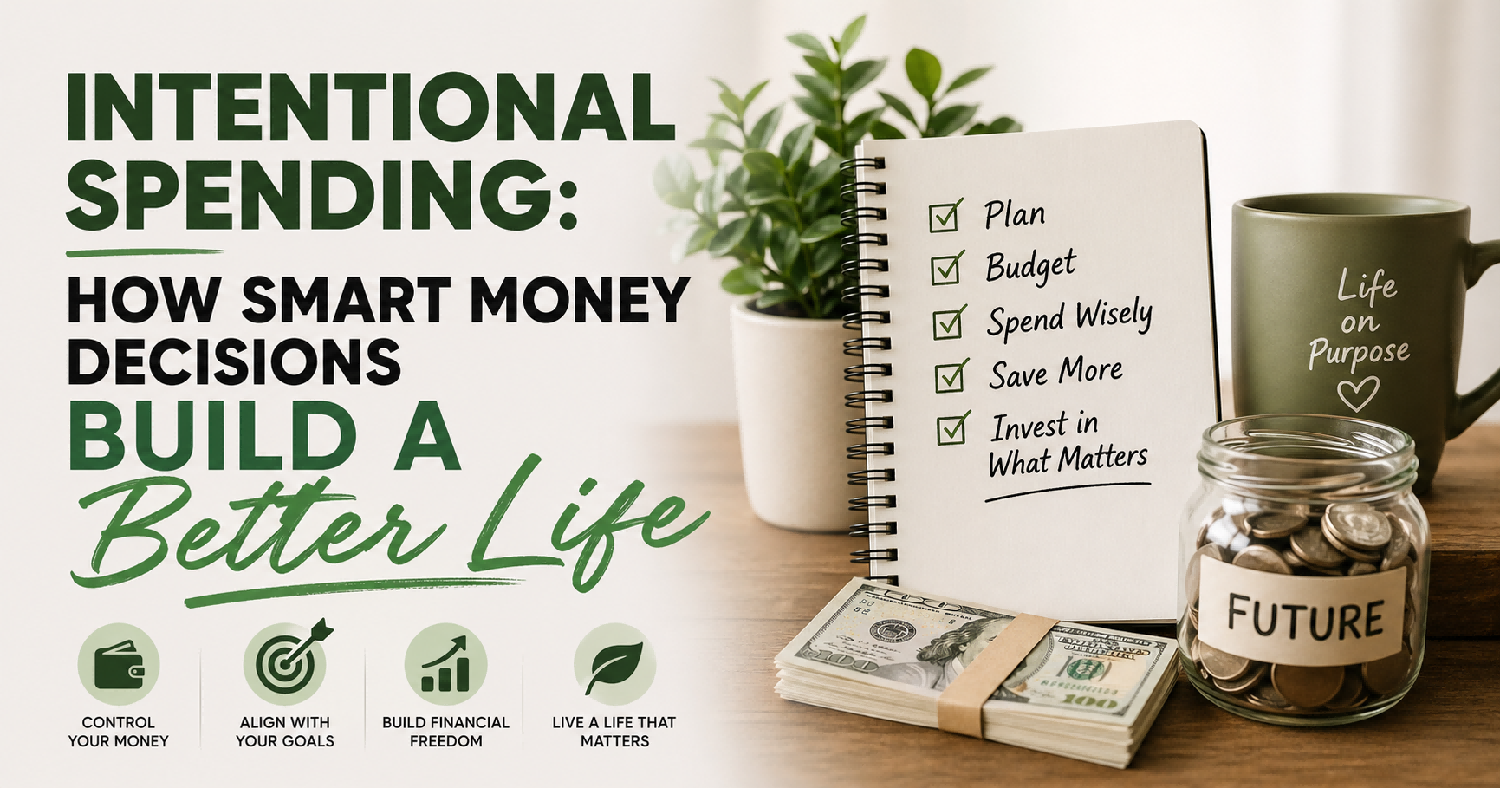
In today’s consumer-driven world, spending money is easier than ever—but making smart financial decisions is not. Intentional spending changes that. It shifts your focus from reacting to every purchase opportunity to making conscious choices that support your long-term goals.
This approach doesn’t mean cutting everything out. It means using your money with purpose—so every dollar works for you, not against you.
What Intentional Spending Really Means
Intentional spending is about aligning your financial decisions with what truly matters in your life. Instead of spending based on habits or emotions, you evaluate each purchase based on value, usefulness, and long-term impact.
For many people, this starts with using modern financial tools like the best budgeting apps or expense tracking software, which help you see exactly where your money is going and identify areas where smarter decisions can be made.
When your spending is intentional, your money becomes a tool—not a source of stress.
The Real Cost of Unplanned Spending
Small, everyday expenses often feel harmless. A subscription here, a quick purchase there—it doesn’t seem like much. But over time, these decisions compound.
Many people only realize the impact when they start looking into solutions like credit card debt consolidation or comparing high-interest savings accounts to recover lost financial ground.
The issue isn’t just the money spent—it’s the missed opportunities:
- Money that could have been invested
- Savings that could have grown
- Financial security that could have been built
Intentional spending helps you avoid these traps by forcing every decision to pass a simple test: Is this actually worth it?
How Intentional Spending Transforms Your Financial Life
1. You Make Better Financial Decisions
When you become more aware of your spending habits, you naturally start making smarter choices. Instead of reacting to ads or impulse triggers, you evaluate options—whether it’s choosing between services, comparing prices, or even researching financial planning tools before committing to a purchase.
Over time, this builds a habit of thinking before spending, which is one of the most valuable financial skills you can develop.
2. You Reduce Waste Without Feeling Deprived
Intentional spending isn’t about restriction—it’s about optimization.
For example, instead of paying for multiple unused subscriptions, you might switch to a single service that delivers real value. Instead of overspending on convenience, you might use a monthly budget planner to structure your expenses more efficiently.
Many people also find that using AI-powered expense tracking apps helps them automatically detect patterns and eliminate unnecessary costs without constant manual effort.
3. You Allocate Money to High-Value Areas
When you stop wasting money on low-impact purchases, you create room for things that actually improve your life.
This could mean:
- Investing in online learning platforms to increase your earning potential
- Paying for fitness programs that improve long-term health
- Using premium productivity tools or automation services that save time
These decisions often have a multiplier effect—improving both your finances and your quality of life.
The Mental Shift: From Spending to Strategy
One of the biggest benefits of intentional spending is psychological.
Instead of feeling guilty about money, you start feeling in control. Every decision becomes part of a larger strategy.
For example, instead of randomly paying bills, you might compare insurance quotes online to reduce costs or explore loan refinancing options to lower long-term interest payments. These are not just expenses—they are strategic financial moves.
This shift turns money management into a proactive process rather than a reactive one.
Practical Ways to Start Today
Track Your Spending Clearly
Clarity is the foundation of better decisions. Whether you use a simple spreadsheet or one of the best expense tracking apps, understanding your spending patterns is essential.
Question Every Non-Essential Purchase
Before buying something, pause and ask:
- Does this improve my life in a meaningful way?
- Is there a better alternative?
Even a short delay can prevent unnecessary spending.
Optimize Your Biggest Expenses
The fastest way to improve your finances is to focus on large, recurring costs. This might include:
- Comparing mortgage rates before refinancing
- Switching to more competitive insurance plans
- Reviewing subscription services and renegotiating contracts
These decisions often save far more money than cutting small daily expenses.
Invest in Long-Term Value
Intentional spending isn’t just about saving—it’s about building.
Spending on the right things, like professional skills, certifications, or financial education, can significantly increase your future income and stability. Many people use structured financial planning services to guide these decisions and ensure their money is working efficiently.
Why Intentional Spending Leads to a Better Life
At its core, intentional spending creates alignment.
Your money supports your goals.
Your decisions reflect your values.
Your lifestyle becomes more stable and predictable.
Instead of constantly reacting to financial pressure, you begin to design your life with clarity and purpose.
This leads to:
- Less financial stress
- More confidence in decisions
- Greater long-term security
Final Thoughts
Intentional spending is not about being perfect with money. It’s about being aware, deliberate, and strategic.
When you start treating money as a tool—supported by the right decisions, platforms, and services—you gain something far more valuable than savings: control.
And with control comes freedom—the freedom to build a life that truly works for you.


