

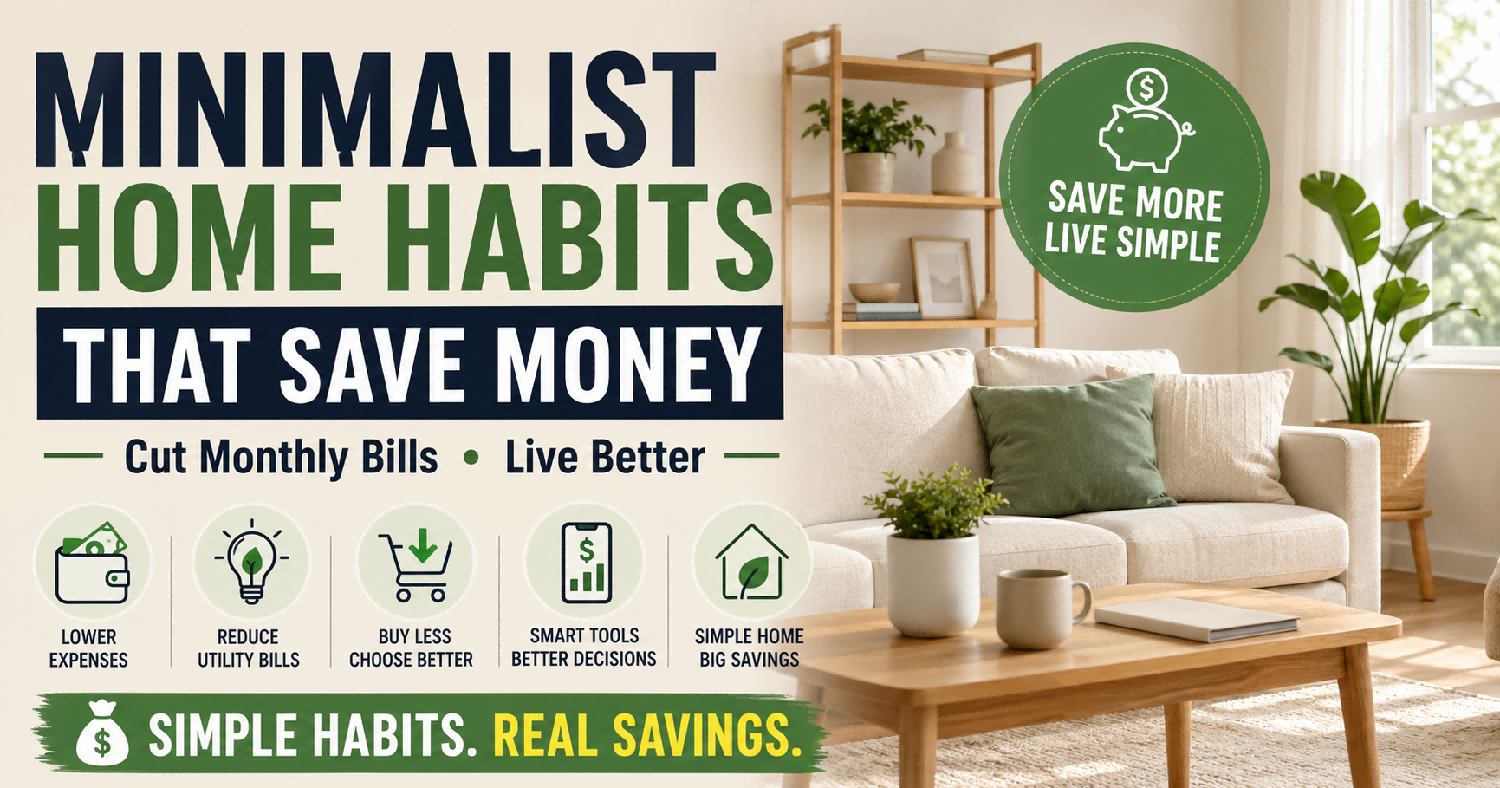
Minimalism isn’t just about having a clean home—it’s a powerful financial strategy. When your environment becomes simpler, your decisions become smarter. You spend less, waste less, and gain more control over where your money goes.
If you approach minimalism intentionally, it can naturally connect you to smarter financial tools, better budgeting decisions, and long-term wealth-building habits.
1. Spend Less by Choosing Value Over Volume
One of the core minimalist habits is buying fewer things—but choosing better ones.
Instead of repeatedly purchasing low-cost items, many people now use budgeting apps or even AI-powered expense tracking tools to analyze long-term spending patterns. This helps identify where cheaper purchases actually cost more over time.
For example, buying a durable appliance once—possibly with the help of a consumer financing plan or 0% APR credit card—can be far more cost-effective than replacing a cheaper version every year.
2. Control Impulse Spending with Smarter Financial Tools
Impulse purchases are rarely about need—they’re about convenience and emotion.
Minimalist households often rely on structured decision-making, such as using expense tracking apps or setting alerts through digital banking tools to monitor real-time spending.
When every purchase is reviewed through a financial lens—especially with tools that categorize spending automatically—it becomes easier to avoid unnecessary credit card debt and improve your monthly cash flow.
3. Lower Utility Bills with Smart Home Efficiency
A minimalist home naturally uses fewer resources—but technology can take that even further.
Many homeowners now install smart thermostats, energy monitoring systems, and automated lighting to reduce energy consumption. These tools not only lower monthly bills but can also qualify for home energy rebates or green financing programs in certain regions.
Pairing minimalist habits with home insurance policies that reward energy efficiency upgrades can create additional long-term savings.
4. Turn Clutter into Cash with Online Marketplaces
Minimalism starts with removing what you don’t use—but financially, it doesn’t have to be a loss.
Unused items can be sold through online resale platforms, peer-to-peer marketplaces, or mobile selling apps, turning clutter into immediate cash.
Some people even integrate this into a broader side income strategy, using resale profits to build emergency savings or invest through beginner-friendly investment platforms.
5. Cut Recurring Costs with Subscription Management
Small monthly charges often go unnoticed—but they add up quickly.
Minimalists regularly audit their subscriptions using subscription management apps or features built into online banking dashboards. These tools identify recurring charges and help cancel services that no longer provide value.
By eliminating unnecessary subscriptions, many households free up cash that can be redirected into high-yield savings accounts or automated investment plans.
6. Reduce Food Spending Through Simple Meal Systems
A minimalist kitchen isn’t empty—it’s efficient.
Meal planning reduces waste and prevents overspending. Many people now use meal planning apps or grocery budgeting tools to track food expenses and optimize weekly shopping.
Some also compare grocery delivery services or subscription meal kits to find the best balance between cost and convenience, especially when time-saving becomes part of the financial decision.
7. Use the “One In, One Out” Rule to Control Spending
Minimalism isn’t just about decluttering—it’s about preventing future clutter.
When every purchase requires removing something else, you naturally slow down spending decisions. Some people even log purchases in personal finance apps to track how often they bring new items into their home.
This creates a feedback loop where spending becomes intentional, helping reduce reliance on credit and supporting long-term financial stability.
8. Focus on Function to Avoid Lifestyle Inflation
A minimalist home is designed for living—not for showing.
Instead of upgrading furniture or decor for appearance, minimalists prioritize functionality. This mindset helps avoid lifestyle inflation—a common reason people struggle to save even with higher incomes.
By redirecting money away from unnecessary upgrades, many households are able to contribute more consistently to retirement accounts, index funds, or long-term financial planning services.
Final Thoughts
Minimalist home habits don’t just simplify your space—they optimize your financial life.
When you combine intentional living with modern financial tools—like budgeting apps, digital banking platforms, smart home systems, and investment services—you create a system where saving money becomes automatic.
Over time, these habits don’t just reduce expenses—they help you build a stronger financial foundation, giving you more freedom, less stress, and greater control over your future.
Frequently Asked Questions
Does minimalism really save money?
What is the fastest way to save money at home?
Are budgeting apps worth it?
How can I reduce monthly expenses quickly?
More Helpful Reads
Looking for more ideas, better habits, or a fresh perspective? Start here.- Stop Buying These Items to Save Money and Reduce Stress
- 15 Signs You Need a More Minimalist Life
- 10 Things You Should Stop Buying Right Now to Save Money


