

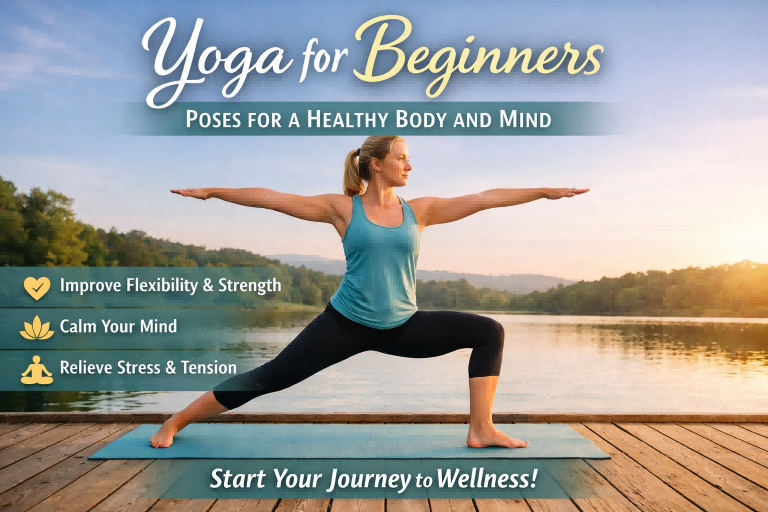
Yoga is more than just a workout—it’s a holistic practice that nurtures both the body and mind. For beginners, stepping onto the mat can feel intimidating, but with the right guidance and a few simple poses, anyone can start their journey toward improved flexibility, strength, and mental clarity. This guide will walk you through beginner-friendly yoga poses and provide tips to make your practice enjoyable and effective.
Why Yoga Matters for Your Health
Yoga is widely recognized for its numerous health benefits. Physically, it helps improve flexibility, balance, and muscle strength. Mentally, it can reduce stress, enhance focus, and promote emotional well-being. Regular practice can even support better posture, aid in pain management, and improve sleep quality. Whether you’re looking to relax after a long day or build a stronger, healthier body, yoga offers something for everyone.
Summary
Yoga combines physical exercise with mental mindfulness, supporting overall health, flexibility, and stress reduction.
Getting Started: Tips for Beginners
Before you start practicing yoga, it’s important to set yourself up for success:
- Choose the Right Space: Find a quiet, comfortable area where you can move freely without distractions.
- Invest in a Yoga Mat: A non-slip mat provides stability and cushioning.
- Wear Comfortable Clothing: Clothes that allow free movement will make poses easier.
- Listen to Your Body: Yoga is not about perfection. Avoid pushing yourself into pain.
- Start Small: Even a 10–15 minute session can be effective, especially when you’re just beginning.
Summary
A supportive environment and mindful approach are key for starting yoga safely and enjoyably.
Essential Beginner Yoga Poses
Here are some simple yet powerful poses to get you started:
1. Mountain Pose (Tadasana)
Mountain Pose is the foundation of all standing poses. Stand tall with feet together, shoulders relaxed, and arms at your sides. Ground through your feet, lengthen your spine, and focus on your breath. This pose improves posture and balance.
How to do it:
- Stand with feet hip-width apart.
- Engage your thighs and lift your chest.
- Relax your shoulders, arms by your sides, palms facing forward.
- Breathe deeply for 30 seconds to 1 minute.
Summary
Mountain Pose promotes stability, posture awareness, and mental focus.
2. Downward-Facing Dog (Adho Mukha Svanasana)
This pose stretches the shoulders, hamstrings, calves, and spine, while also energizing the body. It may feel challenging initially, but regular practice builds strength and flexibility.
How to do it:
- Start on hands and knees.
- Lift your hips toward the ceiling, straightening your legs as much as comfortable.
- Press your hands firmly into the mat and relax your head between your arms.
- Hold for 30–60 seconds, breathing deeply.
Summary
Downward-Facing Dog strengthens the body and relieves tension, offering a full-body stretch.
3. Child’s Pose (Balasana)
Child’s Pose is a gentle resting pose that relaxes the back, shoulders, and neck. It’s ideal for calming the mind and taking a break between more active poses.
How to do it:
- Kneel on the mat with big toes touching and knees apart.
- Sit back on your heels and stretch your arms forward.
- Rest your forehead on the mat and breathe deeply.
- Hold for 1–2 minutes.
Summary
Child’s Pose provides a restorative stretch and mental relaxation, perfect for stress relief.
4. Cat-Cow Stretch (Marjaryasana-Bitilasana)
This flowing movement warms up the spine and improves flexibility. It also helps release tension in the back and neck.
How to do it:
- Begin on hands and knees in a tabletop position.
- Inhale, arch your back, and lift your tailbone and head (Cow Pose).
- Exhale, round your spine and tuck your chin to your chest (Cat Pose).
- Repeat 5–10 times with slow, mindful breathing.
Summary
Cat-Cow stretches the spine, improves posture, and relieves tension in the back.
5. Warrior II (Virabhadrasana II)
Warrior II strengthens the legs, opens the hips, and improves focus. It’s a great pose for building endurance and confidence.
How to do it:
- Stand with feet wide apart.
- Turn your right foot out 90 degrees and left foot slightly in.
- Bend your right knee, keeping it above your ankle.
- Extend your arms parallel to the floor, gaze over your right hand.
- Hold for 30–60 seconds, then switch sides.
Summary
Warrior II enhances strength, stability, and mental concentration.


