

What does it really mean to “do philosophy”?
For many people, philosophy feels abstract—dusty books, difficult language, and long-dead thinkers debating ideas that seem far removed from daily life. But philosophy did not begin in universities. It began in conversations. It began in doubt. It began when someone paused and asked, “Is this really true?”
At Life Express, philosophy is not an academic exercise. It is a living practice—one that shapes how we think, decide, love, struggle, and grow.
Let’s explore what philosophy is—and how each of us can actively practice it.
Philosophy Begins With Questions
The word philosophy comes from the Greek philo (love) and sophia (wisdom). It literally means “the love of wisdom.”
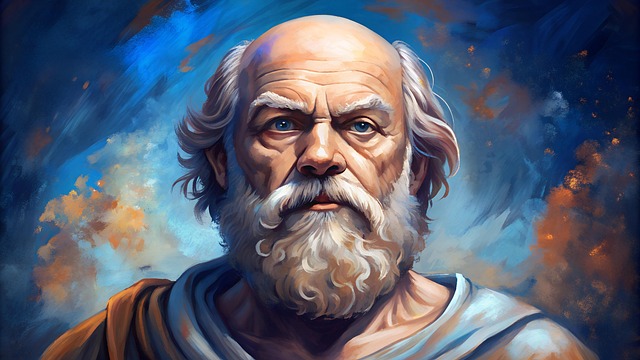
In ancient Athens, Socrates walked through the marketplace asking uncomfortable questions:
- What is justice?
- What is courage?
- What is a good life?
He did not claim to have final answers. Instead, he believed wisdom begins with recognizing how little we truly know.
His student Plato explored big metaphysical questions about reality and truth. Plato’s student Aristotle took a more practical approach, studying ethics, logic, politics, and even biology.
From the beginning, philosophy was not about memorizing theories. It was about disciplined thinking.
Philosophy Is More Than Abstract Thought
Philosophy asks fundamental questions:
- What is real?
- What can we know?
- What is right and wrong?
- What makes life meaningful?
- Do we have free will?
But philosophy is not confined to classrooms. When you reflect on whether to change careers, question a social norm, wrestle with moral dilemmas, or examine your beliefs—you are already doing philosophy.
Philosophy is the habit of stepping back from assumptions and examining them carefully.
The Different Branches of Philosophy
To understand how philosophy works, it helps to see its main branches:
1. Metaphysics
What is the nature of reality? Does God exist? Is the universe deterministic?
2. Epistemology
How do we know what we know? What counts as evidence? Can we trust our senses?
3. Ethics
What is right and wrong? How should we live? What do we owe to others?
4. Logic
What makes an argument valid? How do we avoid faulty reasoning?
5. Political Philosophy
What is justice? What is the best form of government?
Philosophy gives us tools to approach these questions with clarity instead of confusion.


