

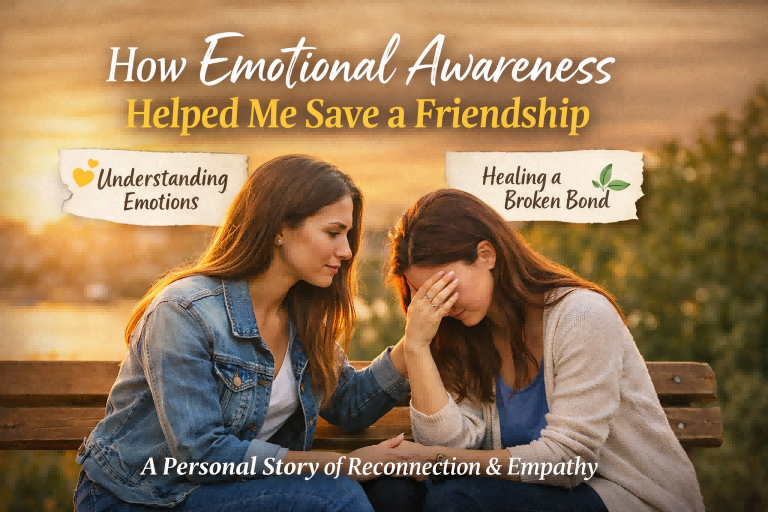
Friendships are one of life’s most rewarding treasures, yet they can also be fragile. Over the years, I’ve learned that the key to maintaining meaningful connections isn’t just about shared interests or spending time together—it’s about understanding emotions, both mine and those of the people I care about. One experience in particular taught me how emotional awareness can be the difference between letting a friendship fade or strengthening it in ways I never imagined.
The Rift That Surprised Me
It started with an argument over something seemingly trivial. My friend, Sarah, and I had planned a weekend trip together, but due to unexpected work commitments, I had to cancel last minute. I assumed she would understand—after all, life gets busy—but her reaction was much stronger than I expected. She seemed hurt, frustrated, and distant. I initially felt defensive, thinking her reaction was an overreaction. In hindsight, that defensiveness was my first mistake.
For days, I avoided addressing the issue, hoping it would resolve itself. But instead, the tension grew. Our conversations became short and strained, and I noticed a coldness that hadn’t existed before. I realized that if I didn’t act, our years-long friendship could end over a misunderstanding. That’s when I decided to take a step back and really focus on emotional awareness.
Understanding My Own Emotions
The first step was looking inward. I asked myself: Why was I feeling defensive? Why did her reaction trigger irritation instead of empathy? I recognized that I felt guilty for canceling the trip, and my defensiveness was a shield to avoid facing that guilt. By naming my emotions—guilt, defensiveness, and even fear of confrontation—I was able to separate my feelings from Sarah’s. This self-awareness gave me clarity about how my emotions were affecting my behavior and the situation.
Observing Her Emotional State
Next, I turned my attention to Sarah. Instead of assuming I knew how she felt, I paused and observed. I noticed the subtle hints in her messages—the pauses, the careful wording, and the lack of emojis that usually punctuated her texts. These small details indicated disappointment and hurt. By acknowledging her emotions rather than dismissing them, I started to cultivate empathy. I reminded myself that her strong reaction wasn’t personal—it was a reflection of her feelings and expectations.
Communicating With Awareness
Armed with this understanding, I reached out. But instead of launching into explanations or excuses, I focused on emotional honesty. I told her how I had felt in the moment and also acknowledged how my actions had impacted her. For example, I said, “I realize canceling the trip last minute disappointed you, and I’m truly sorry. I didn’t anticipate it affecting you this way, and I want to understand how you feel.”
This approach was different from how I would have handled the situation before. Rather than trying to justify myself, I prioritized emotional clarity and validation. And it worked. Sarah responded positively, sharing that she felt hurt and unappreciated but that she appreciated my openness. That conversation became a turning point.
Learning the Language of Emotions
This experience taught me that friendships thrive when both parties feel seen and heard. Emotional awareness isn’t just about understanding your own feelings—it’s about noticing and respecting the emotions of others. Simple gestures, like acknowledging someone’s frustration or disappointment, can prevent misunderstandings from escalating. Over time, this awareness became a tool I could use not only to salvage friendships but also to deepen them.
I also realized that being emotionally aware doesn’t mean suppressing feelings or avoiding conflict. On the contrary, it means recognizing emotions as signals and responding thoughtfully. It requires patience, empathy, and sometimes humility. By consciously applying these principles, I was able to navigate what could have been a friendship-ending conflict with grace and understanding.
The Long-Term Impact
Since that incident, my friendship with Sarah has grown stronger. We communicate more openly and check in with each other’s feelings, even during minor disagreements. Emotional awareness has become a foundation for trust, and our bond is deeper than it was before. I’ve also noticed that this skill has enriched other relationships in my life. By being attentive to both my own emotional responses and those of others, I’ve become more compassionate, more patient, and more resilient in the face of interpersonal challenges.
Final Thoughts
Friendships, like any meaningful relationship, require effort, understanding, and emotional intelligence. Learning to recognize, name, and respond to emotions can transform conflicts into opportunities for growth. For me, emotional awareness was the bridge that saved a friendship I value deeply. It reminded me that empathy and thoughtful communication are not just skills—they are lifelines that connect us to the people who matter most.
In a world where misunderstandings can quickly turn into resentment, taking the time to understand emotions—yours and others’—is more than just beneficial; it’s essential. Emotional awareness doesn’t just save friendships—it nurtures them, making the bonds we cherish stronger, richer, and more enduring.


