

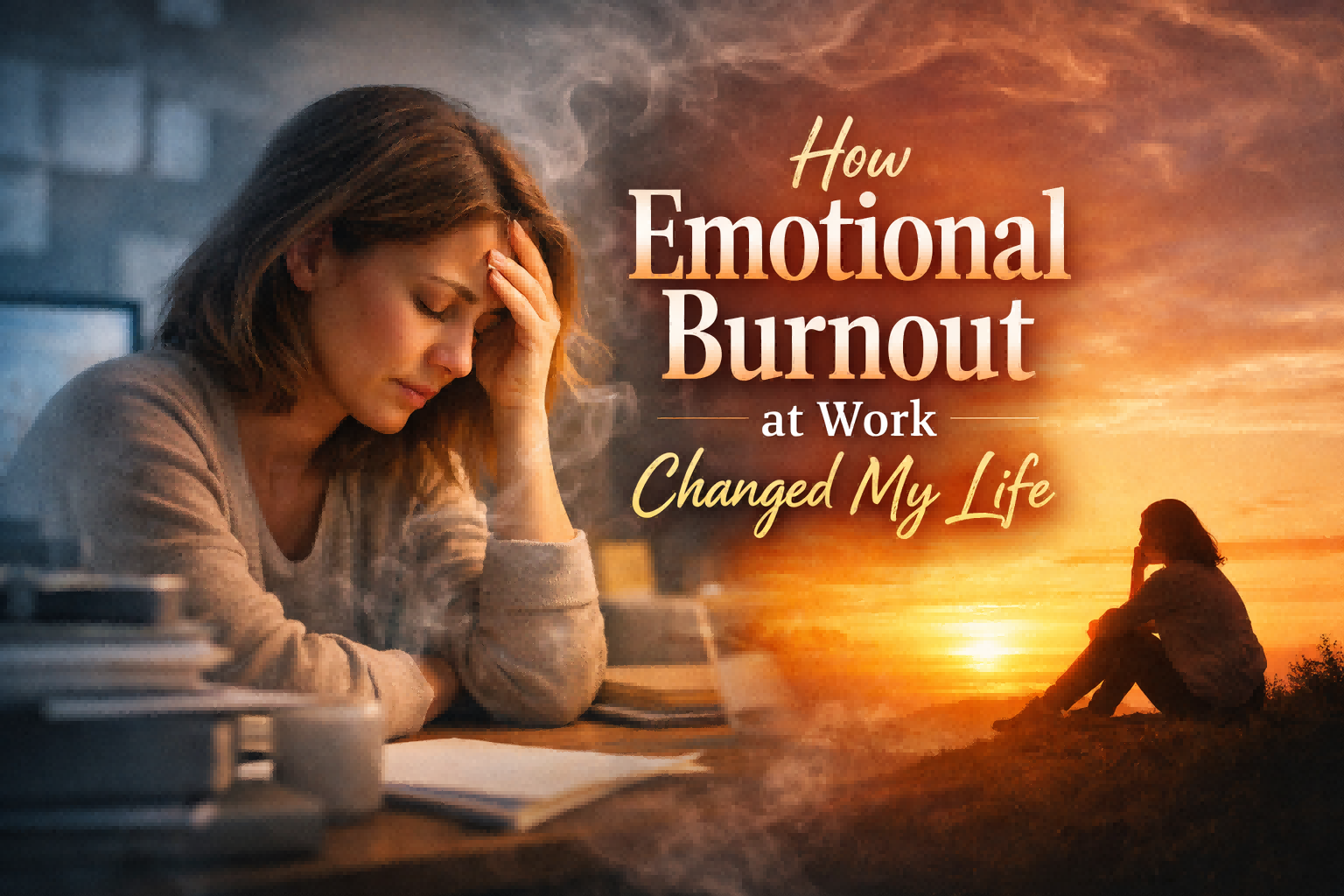
I used to think burnout was just feeling tired after a long day. I had heard people talk about it casually, dismissing it as stress or being overworked. But I never realized the profound way emotional burnout could shape every corner of my life—until I experienced it myself.
For months, I found myself dreading work. Tasks that once energized me now felt like unbearable burdens. Small mistakes led to overwhelming guilt, and compliments felt empty, almost alien. My mind was constantly exhausted, and my emotions—once vibrant and responsive—felt muted. Even outside of work, I struggled to enjoy simple pleasures. The world felt gray, heavy, and exhausting.
At first, I tried to ignore it. I told myself I was being lazy or unmotivated, that I just needed to “push through” like everyone else. I overbooked my schedule, drank too much coffee, and told myself that long hours would somehow restore my energy. But instead of relief, I felt a deeper emptiness. I began to question my own abilities and my value as a person. Each day felt like I was wading through quicksand—moving forward, but sinking all the same.
The impact of emotional burnout wasn’t limited to my work life. My relationships started to suffer. I snapped at friends for minor annoyances, avoided family gatherings, and stopped replying to messages because I lacked the emotional energy to engage. I withdrew from social interactions that once brought me joy, leaving me feeling isolated and misunderstood. Even when I tried to explain what I was feeling, words fell short. The sense of disconnection and exhaustion was hard to articulate, even to myself.
The turning point came unexpectedly. One morning, I realized I couldn’t remember the last time I had genuinely laughed or felt excited about a project. I felt like a shell, going through the motions without purpose or emotion. It was a frightening moment, but it forced me to acknowledge the truth: I couldn’t fix everything with sheer willpower. I needed help.
I started by seeking professional support. Therapy became a safe space to process the emotions I had been suppressing for months. I learned to identify the early signs of emotional depletion—irritability, constant fatigue, apathy, and a sense of emptiness that no amount of rest could fill. I discovered that emotional burnout isn’t a personal failure; it’s a natural response to prolonged stress without sufficient emotional care. Recognizing this was liberating.
Next, I began making tangible changes in my daily life. I set boundaries between work and personal time, turning off email notifications after hours and avoiding work-related thoughts during evenings. I introduced small, deliberate acts of self-care: short walks outside, journaling, meditation, and even taking mini mental health breaks during the workday. I realized that recharging emotionally is as important as physical rest—sometimes even more so.
Over time, these small changes created a profound shift. I started to reconnect with my passions, rediscovering hobbies and activities that had been buried under exhaustion. My relationships improved as I became more present and patient with loved ones. Perhaps most importantly, I learned to accept vulnerability as a strength. Emotional burnout had forced me to confront my limits, but it also taught me resilience and self-compassion.
Emotional burnout changed my life in ways I couldn’t have predicted. It forced me to slow down, reevaluate my priorities, and embrace emotional awareness as a vital part of life. Today, I am not only more mindful of my own emotional health, but I also advocate for others to recognize the signs early and take care of themselves before burnout takes hold.
If you’re feeling emotionally drained at work, know that you are not alone—and that recovery is possible. Recovery may be gradual, but by giving yourself space, seeking support, and prioritizing emotional well-being, you can regain balance. More importantly, you can rediscover joy, connection, and meaning—the very things burnout tried to steal from you.
Burnout may have shaken me to my core, but it also gave me clarity, empathy, and a renewed sense of purpose. And that, I have learned, is the hidden gift of acknowledging our emotional limits.


